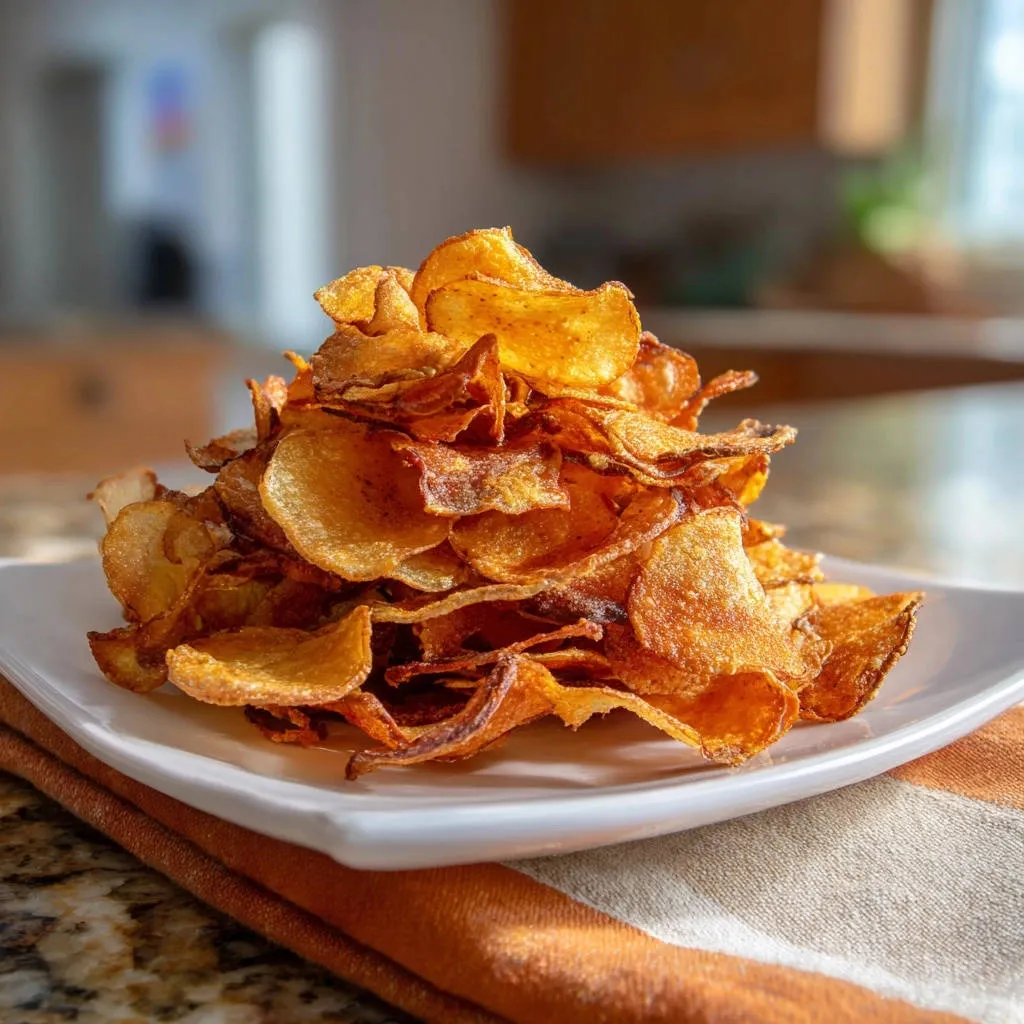
Achieve Perfect Crispy Chips: Slicing, Soaking & Cook Methods for the Ultimate Snack
Few snacks ignite universal joy quite like a perfectly crispy potato chip. That irresistible crunch, the savory seasoning, and the satisfying texture make them a timeless favorite. While store-bought options are plentiful, mastering the art of homemade potato chips offers a level of freshness, flavor, and control that pre-packaged varieties simply can't match. Imagine chips crafted exactly to your taste, free from artificial additives, and always perfectly crispy. It's not just a dream – it's an easily achievable reality!
Making your own crispy chips at home is not only healthier but often tastes superior to anything you’d buy in a bag. This comprehensive guide will walk you through the essential steps, from selecting the right potato and mastering the slice, to the crucial soaking process and the best cooking methods, ensuring your next batch of
homemade potato chips achieves peak crispiness every single time.
The Foundation of Flavor: Choosing Your Potatoes & Preparing Them Right
The journey to perfect potato chips begins with the right raw material and meticulous preparation. Don't underestimate the power of these initial steps!
Choosing the Best Potatoes for Chips
For truly exceptional homemade chips, the type of potato you choose makes a significant difference. Jawad’s recipe, and many others, swear by russet potatoes, and for good reason:
- Russet Potatoes: These are the gold standard for chips due to their high starch content and relatively low moisture. The starch helps them crisp up beautifully, giving you that classic, airy crunch.
- Yukon Gold: While slightly less starchy than russets, their creamy texture and buttery flavor make them an excellent alternative, offering a slightly richer chip.
- Red or New Potatoes: These can be used for a different texture – often a bit firmer and chewier, though still delicious.
Aim for firm, unblemished potatoes without any green spots.
Slicing Perfection: Thinness & Uniformity are Key
This is arguably the most critical step for achieving even cooking and consistent crispiness.
- The Mandoline Advantage: For consistent, paper-thin slices, a mandoline slicer is your best friend. It allows you to set a precise thickness (ideally between 1/16 to 1/8 inch or 1.5 to 3mm) and glide the potato through, producing uniform slices quickly. Always use the safety guard!
- Knife Skills: If you don't have a mandoline, a very sharp chef's knife and a steady hand can achieve good results. Focus on making each slice as thin and uniform as possible. Inconsistent thickness will lead to some chips burning while others remain soft.
The thinner and more uniform the slices, the crispier your chips will be.
The Crucial Soak: Starch Removal & Browning Prevention
This step is non-negotiable for crispy, non-gummy chips.
- Why Soak? Potatoes are full of starch. When heated, this surface starch can make your chips stick together, become gummy, or brown unevenly before they crisp up. Soaking the slices in cold water for at least 30 minutes (and up to several hours) helps to draw out this excess starch.
- Preventing Browning: Soaking also prevents oxidation, which causes potato slices to turn brown when exposed to air.
- The Process: Place your thinly sliced potatoes in a large bowl and cover them completely with cold water. You can even change the water once or twice if it becomes cloudy.
Drying is Key: The Secret to True Crispiness
After soaking, thorough drying is perhaps the most overlooked, yet vital, step for achieving maximum crispiness. Any residual moisture will steam the potatoes instead of allowing them to crisp up.
- Pat Dry: Remove the potato slices from the water and spread them in a single layer on a clean kitchen towel or several layers of paper towels. Gently pat them completely dry. Don't rush this!
- Air Dry (Optional, but Recommended): For even better results, let the slices air dry for another 10-15 minutes after patting dry, ensuring every last drop of moisture has evaporated.
Flavoring Your Homemade Masterpiece: Beyond Just Salt
With your perfectly prepared potato slices ready, it's time to infuse them with flavor. This is where your creativity can truly shine!
Oil or Oil-Free?
While many recipes call for a light coating of olive oil to help with crispiness and seasoning adherence, you can absolutely achieve delicious results with an oil-free approach. For those looking for a healthier alternative, methods like air frying or microwaving excel without added oil. You can learn more about these methods in our
Oil-Free Chips: Oven, Microwave & Air Fryer Methods Guide.
Seasoning Your Chips
The simplest seasoning is just salt, but why stop there? Jawad suggests garlic and paprika, and that’s a fantastic start. Here are some ideas:
- Classic Salt & Pepper: A timeless favorite. Sea salt or Himalayan pink salt work beautifully.
- Spicy Kick: Chili powder, cayenne pepper, smoked paprika, or a dash of hot sauce (applied after cooking if oil-free).
- Herby Delights: Dried rosemary, thyme, oregano, or an Italian seasoning blend.
- Cheesy Goodness: Nutritional yeast (for a vegan cheesy flavor), or finely grated Parmesan cheese (if not vegan).
- Tangy Twist: Onion powder, garlic powder, or a sprinkle of vinegar powder for a salt and vinegar experience.
- Custom Blends: Experiment! A mix of garlic powder, onion powder, smoked paprika, and a pinch of cayenne creates a fantastic all-purpose chip seasoning.
Toss the dried potato slices with your chosen seasoning (and oil, if using) just before cooking, ensuring an even coating.
Mastering the Crunch: Optimal Cooking Methods for Homemade Potato Chips
Now for the moment of truth: cooking your chips to golden, crispy perfection. Different methods offer varying results in terms of crispiness and convenience.
Oven Baked Potato Chips
Baking is a popular choice for larger batches and a healthier profile, though it often produces a slightly softer chip compared to other methods.
- Preparation: Preheat your oven to 400°F (200°C). Line a large baking sheet with parchment paper to prevent sticking.
- Arrangement: Arrange the seasoned potato slices in a single layer on the baking sheet. Do not overcrowd the pan, or your chips will steam instead of crisp. Use multiple sheets if necessary.
- Baking: Bake for 5-10 minutes, then flip the chips and bake for another 5-10 minutes, or until they are golden brown and crispy. Keep a very close eye on them, as they can go from perfectly golden to burnt in a matter of seconds.
- Maximizing Crispiness: For a crisper oven-baked chip, consider baking at a slightly lower temperature (e.g., 375°F/190°C) for a longer duration, flipping halfway, to allow moisture to evaporate slowly.
For more detailed tips on achieving perfect oven-baked chips, check out our guide on
Crispy Homemade Baked Chips: Easy & Better Than Store-Bought.
Air Fryer Potato Chips
The air fryer excels at creating wonderfully crispy chips with minimal oil, making it a fantastic option for a crunchier result.
- Preparation: Lightly coat your seasoned potato slices with a tiny amount of oil (optional) or proceed oil-free.
- Layering: Arrange the slices in your air fryer basket in no more than 4 layers, ideally less for maximum crispiness. Do not overcrowd.
- Cooking Cycle:
- Fry at 170°F (77°C) for 20 minutes, tossing the basket every 5 minutes. This low temperature helps to dry out the potatoes thoroughly without browning them too quickly.
- Once the potatoes feel dry, increase the temperature to 400°F (200°C) and cook for an additional 5 minutes, or until they are crunchy and golden. Continue tossing frequently.
The dual-stage cooking (low temp to dry, high temp to crisp) is key to air fryer success.
Microwave Potato Chips
For a quick snack, the microwave is surprisingly effective at producing crispy, oil-free chips in small batches.
- Preparation: Arrange seasoned potato slices in a single layer on a microwave-safe plate. You might want to use parchment paper or lightly grease the plate.
- Microwaving:
- Microwave on high for 3 minutes.
- Flip the slices.
- Cook for an additional 2 minutes.
- Continue cooking in 30-60 second increments, flipping each time, until the chips are lightly browned and crispy.
Watch them very carefully, as microwaves vary significantly, and chips can burn quickly!
Beyond Potatoes: Exploring Other Veggie Chips
The techniques for slicing, soaking, and cooking can be applied to a variety of other vegetables, opening up a world of healthy snack possibilities. The key principles remain the same: thin, uniform slices, good drying, and careful monitoring during cooking.
- Sweet Potatoes: Naturally sweeter, these make vibrant and nutritious chips. They often crisp up beautifully in the air fryer or oven.
- Beets: Earthy and colorful, beet chips offer a unique flavor.
- Carrots: Slightly sweet with a good crunch when thinly sliced.
- Zucchini: Due to their high water content, zucchini slices will require extra drying time before cooking to achieve crispiness.
- Rutabaga & Turnip: These root vegetables offer a more robust flavor and interesting texture.
Remember that the texture and crispiness of these non-potato chips will vary based on their water content, natural sugars, cook time, and the cooking method used. Experiment to find your favorites!
Conclusion
Creating perfectly crispy homemade potato chips is a rewarding culinary endeavor that brings unparalleled satisfaction. By paying attention to the details – from selecting the right starchy potato and achieving paper-thin, uniform slices, to the crucial soaking and thorough drying, and finally choosing the optimal cooking method – you can consistently produce a snack that surpasses any store-bought alternative. So, gather your potatoes, choose your favorite seasonings, and prepare to delight your taste buds with the ultimate crispy creation. Happy snacking, and don't count on leftovers!